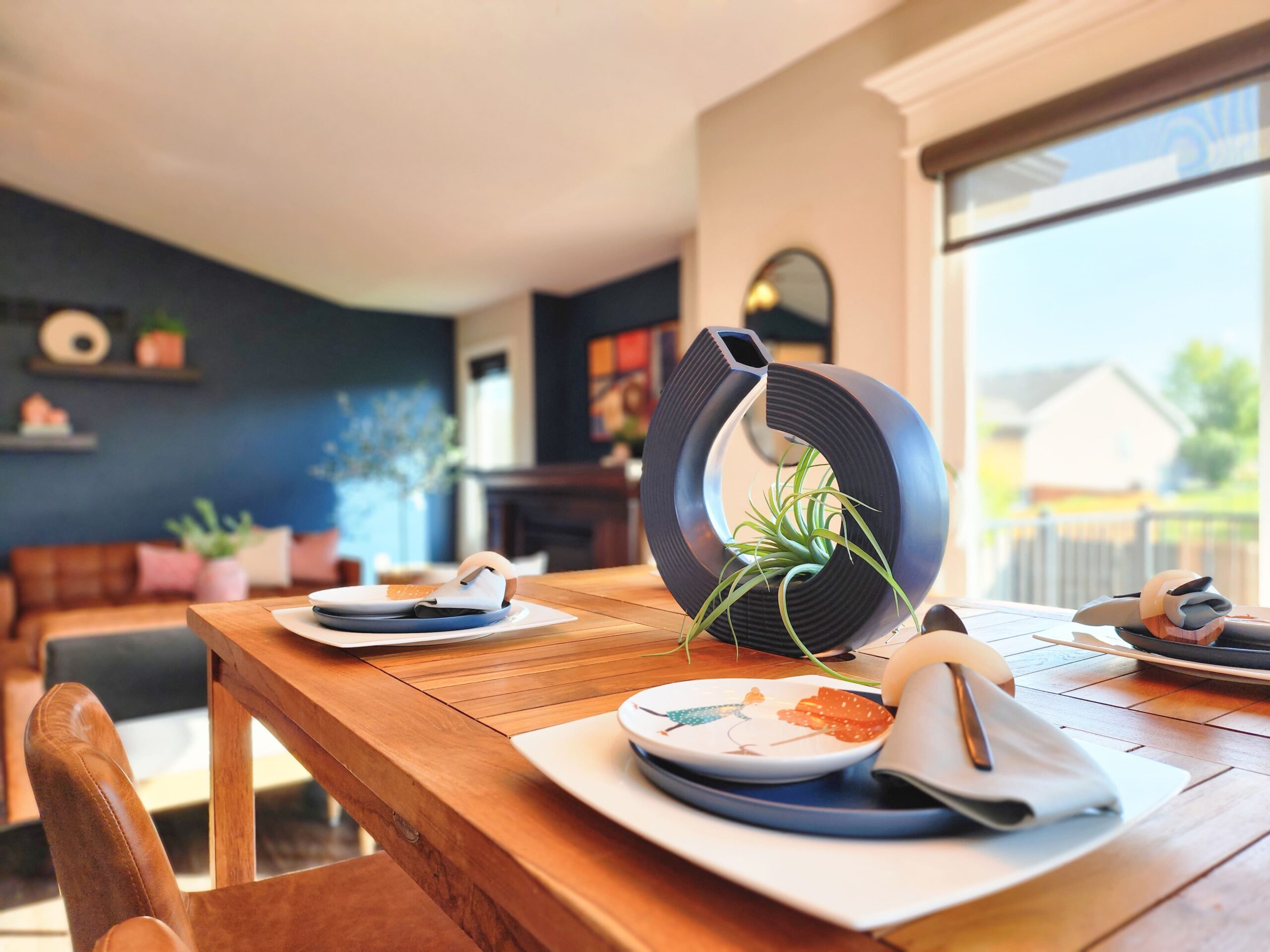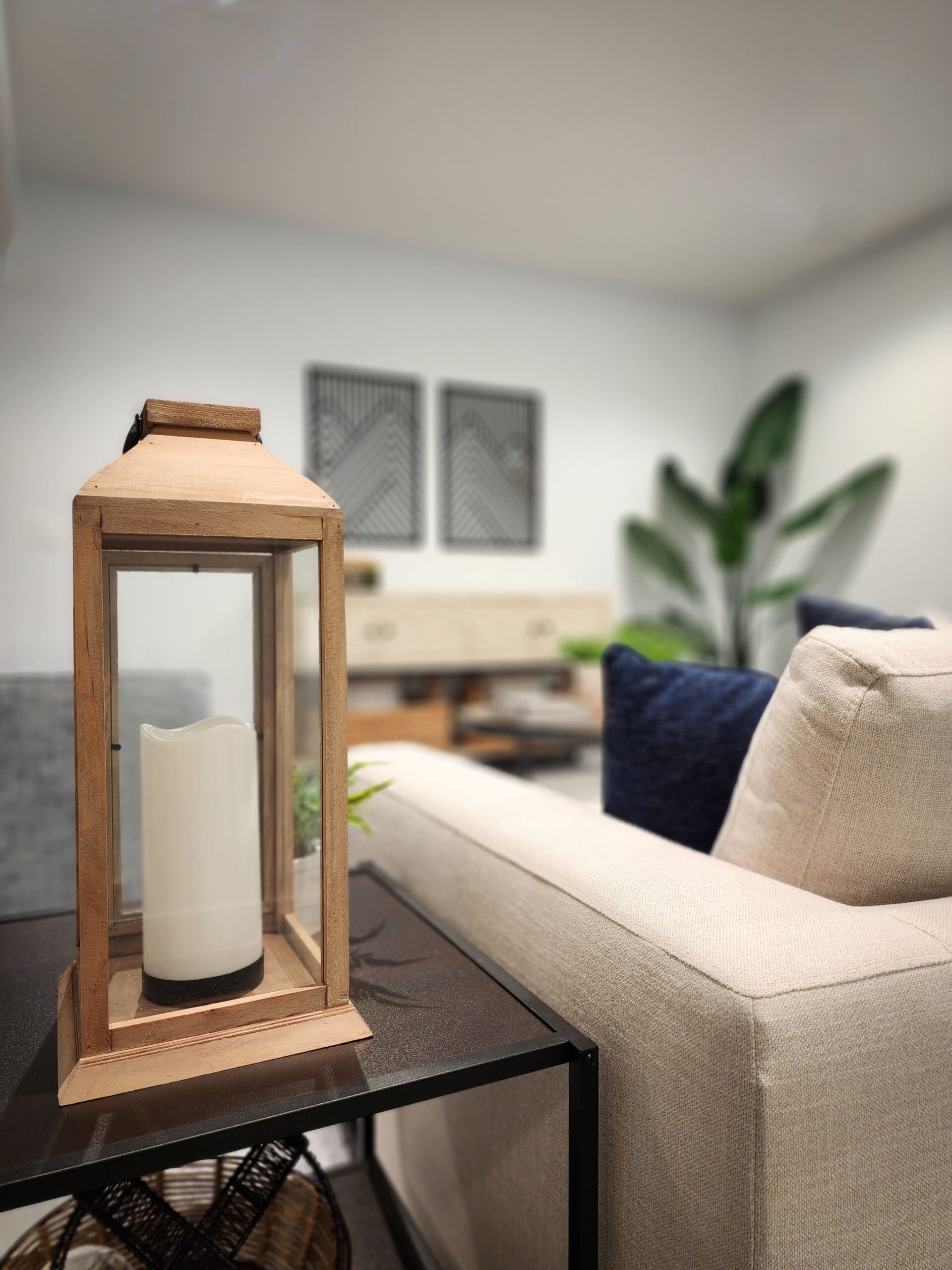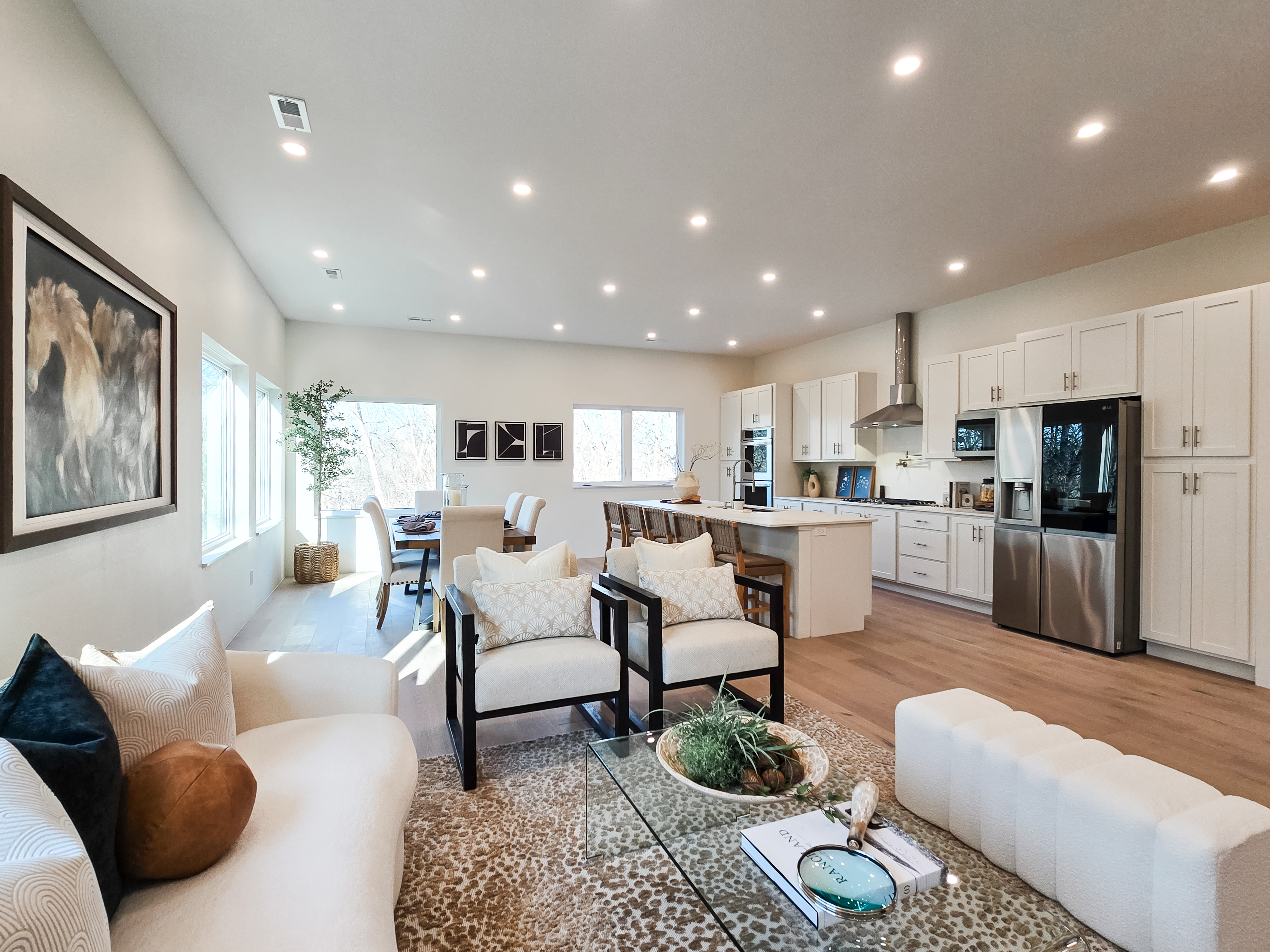
The first thing we do in a compact condo is walk it. We come through the front door the way a buyer will, and we watch for the spot where a person first has to turn sideways or stop short. A buyer sizes the main room from that spot, long before anyone checks the square footage. Hauling nearly everything out is the wrong fix, and at Sell It Well Home Staging we spend part of every condo walkthrough showing sellers a better plan than the empty room.
Emptying solves only one of the four problems a small room has. Clearing the floor can open the path, but it also removes the one piece that shows what fits, and it leaves the light untouched and the zones without a clear job. A small room feels bigger when one right-sized anchor supplies scale, the path from the doorway stays open, daylight travels as far as it can, and each zone holds one clear job. Every decision we make in a condo serves one of those four.
One Right-Sized Anchor Sets the Scale
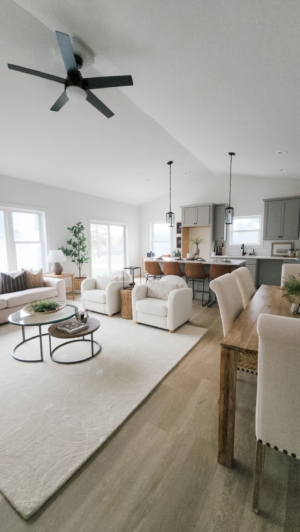
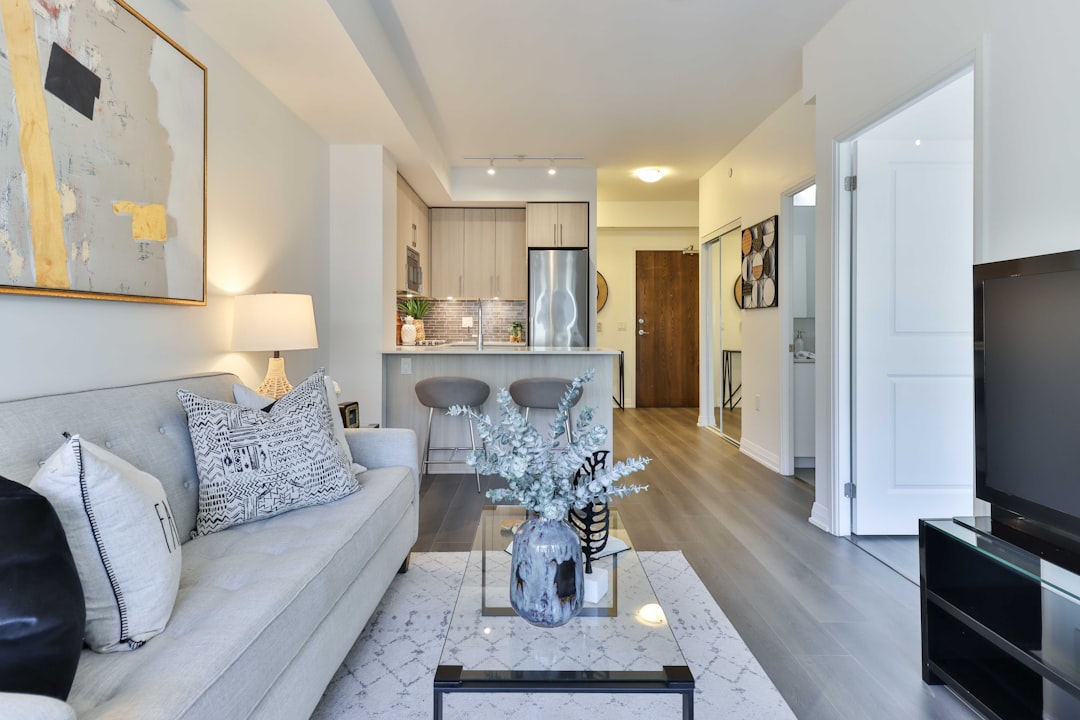
People judge the size of a room by comparing it to objects they already know, and a bare floor removes every reference point, so the guess runs small. Strip a bedroom to the walls and a buyer will often decide their own bed cannot fit a room that holds it easily. We keep one correctly scaled piece in each main room for exactly this reason. A full-size sofa does that work in the living area, because a buyer measures the room against a piece they have known for years.
This is also where your own furniture matters most. Before we propose anything added or rented, we name which of your existing pieces already do the job, and the plan subtracts and reuses before it ever rents. Fewer rooms means a smaller scope, so a compact condo is one of the most efficient properties to stage well.
Keep the Path Open From the Doorway
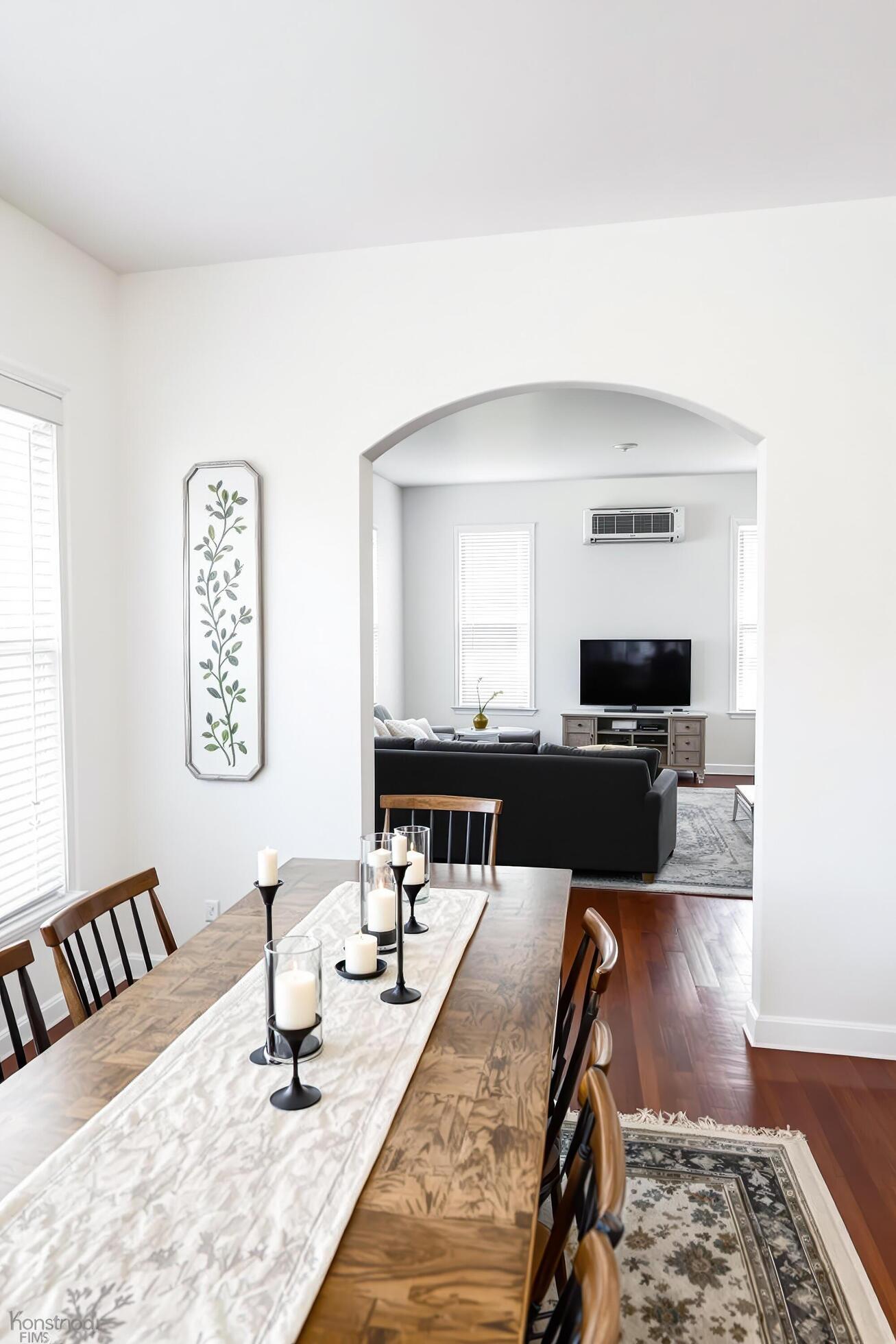
The first piece we remove is rarely the biggest one. It is the one that makes a person turn sideways, brush a corner, or change course between the doorway and the window. A buyer who crosses the main room in one straight, easy line comes away believing the room is generous. Extra furniture also shortens the longest visible line in the room, and that line is the one a buyer sizes the whole space by. The camera sits at the doorway too, so the open path that improves the showing improves the listing photo as well.
Carry Daylight Into the Far Corners
The lit part of a room is the part a buyer counts as usable, so we move daylight as deep into the condo as it will go. We open heavy window treatments, clear the first corner a buyer sees, and place a mirror only where it returns the window or the longest view. A mirror that reflects clutter makes the room busier. Then we check the arrangement twice, once on foot and once from the doorway at the camera's height, because the two views do not always match and the room has to look right in both.
Assign Each Zone One Clear Job
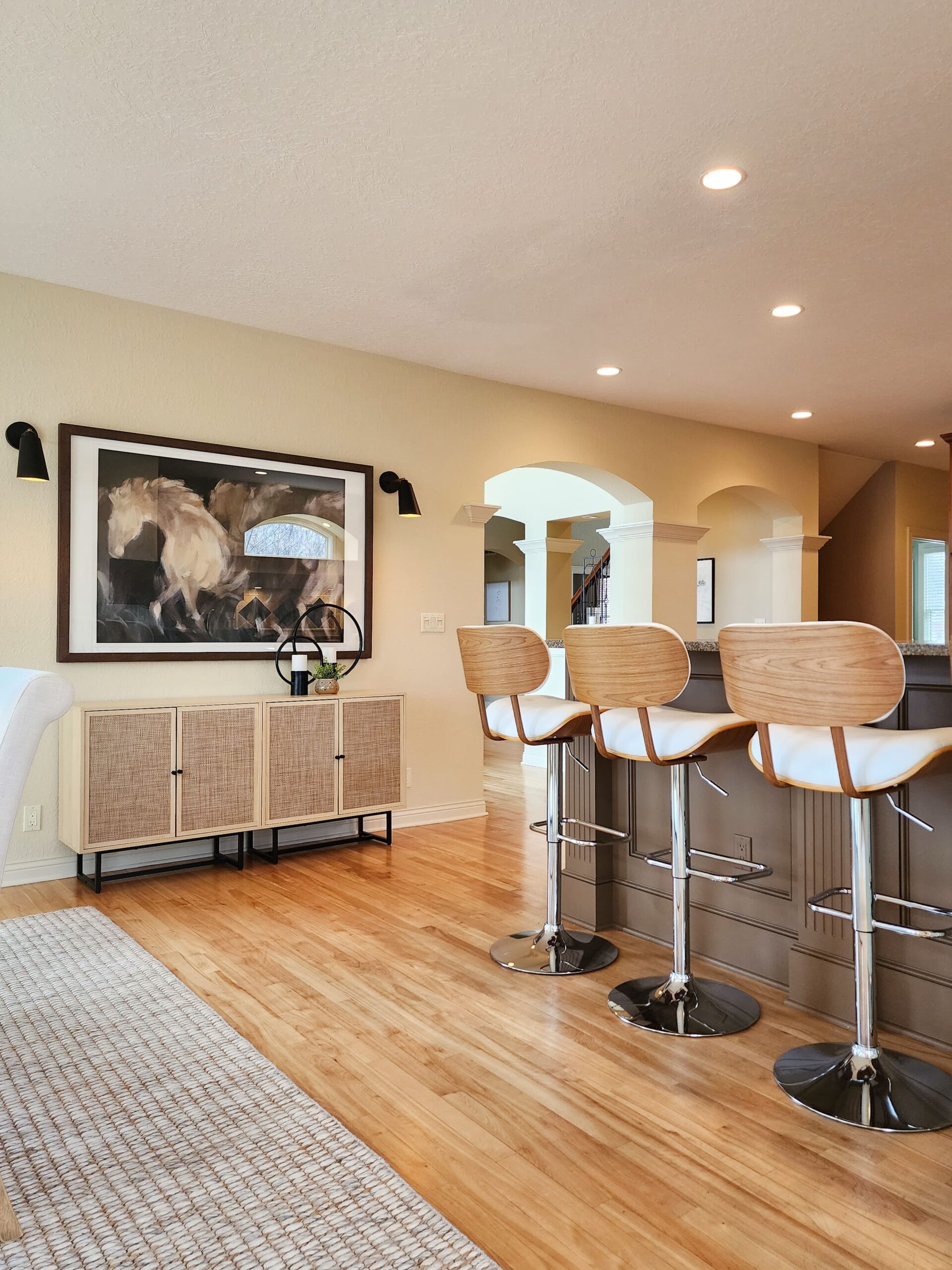
Condo living stacks several jobs into a small footprint, and staging every possible use into one room makes that footprint feel confused. We choose the one use most valuable to the likely buyer and stage only that, because two competing setups in a small room cancel each other. The awkward nook most sellers apologize for is usually the easiest win, since a compact desk, a chair, and a lamp turn it into a workspace a buyer understands at a glance. Visible storage gets the same edit, because a buyer who sees packed shelves and full counters assumes the condo is already short on room.
That apology for the square footage is worth retiring. We walk a compact condo with the same care we bring to a large house, and we build the plan around your actual rooms and the route a buyer will take through them. A condo staged that way shows a clear path from the doorway and one anchor that settles the scale, in the photos and again in person.
When we plan a condo, we set the route first, place the anchor second, and add the finishing details only after the room already shows clearly. If you are preparing to list in Ames, we will come over from our base in Boone and walk your condo starting at the same doorway your buyer will use, and we will show you which pieces to keep, which to move, and where the one anchor belongs. Call Sell It Well Home Staging at (515) 238-3795 to schedule that walkthrough.