

Service Overview
Selling a duplex means staging for two buyer types at the same time. Owner-occupants walk through your unit listening for the shared wall and looking for a layout they could live in. Small investors walk the same unit running the math on rent and turnover. At Sell It Well Home Staging, we plan duplex staging around both reads at once so neither buyer type gets lost. Our work uses what each side already has, places furniture where the layout calls for it, and stages every photo so the unit reads as in use. Ready for yours to land with both kinds of buyer? Let’s set the visit on your duplex when you’re ready.
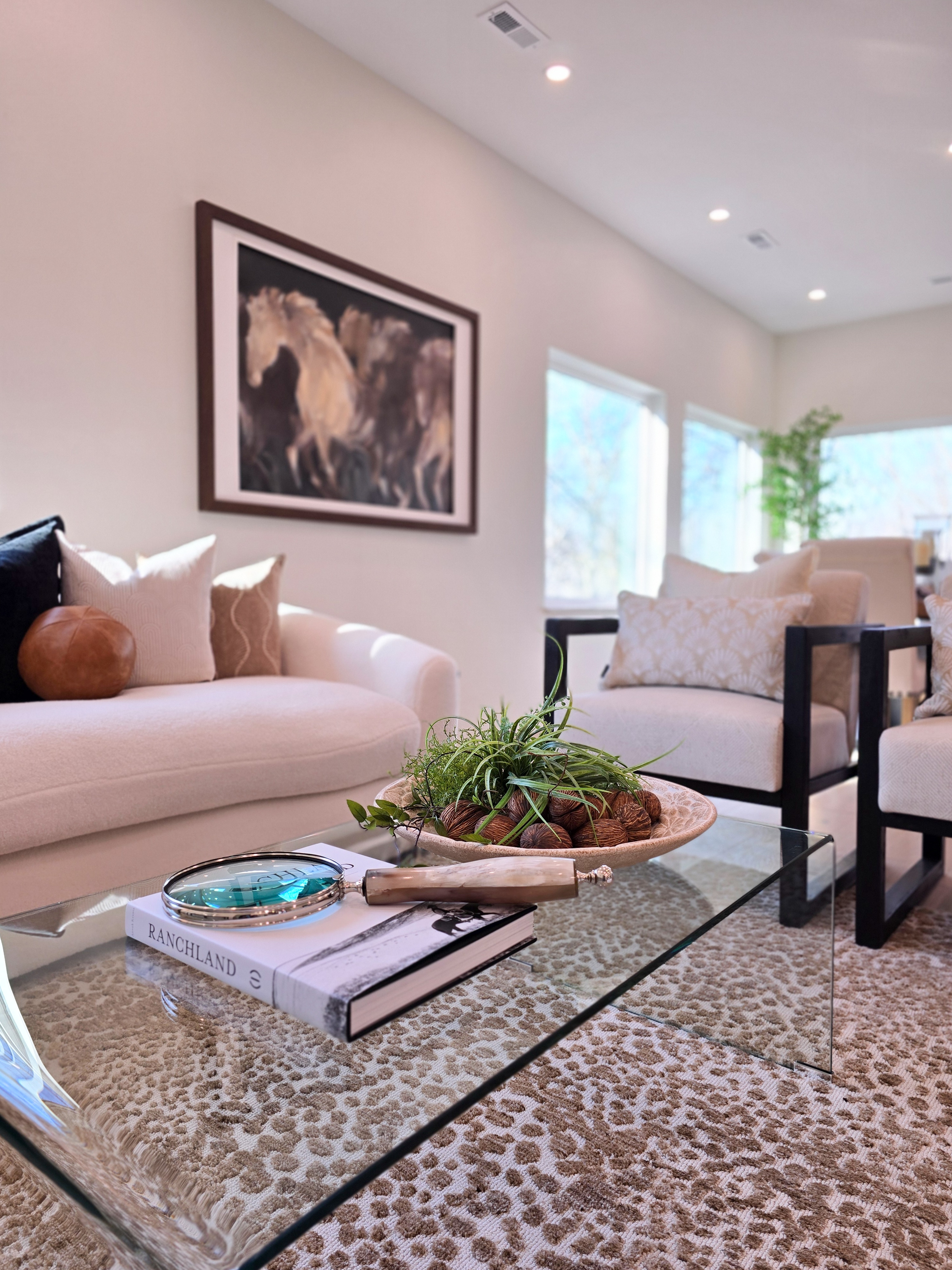
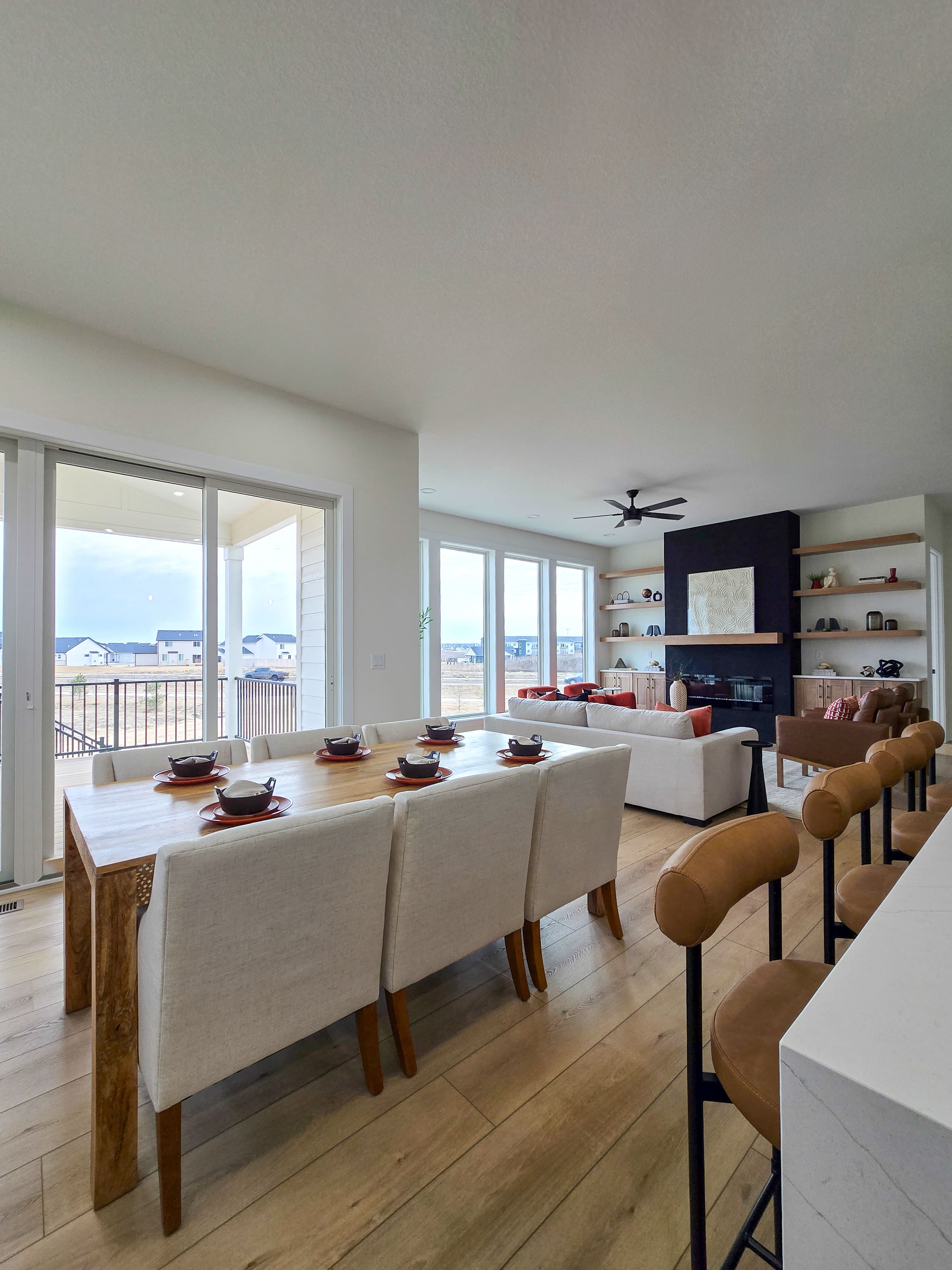
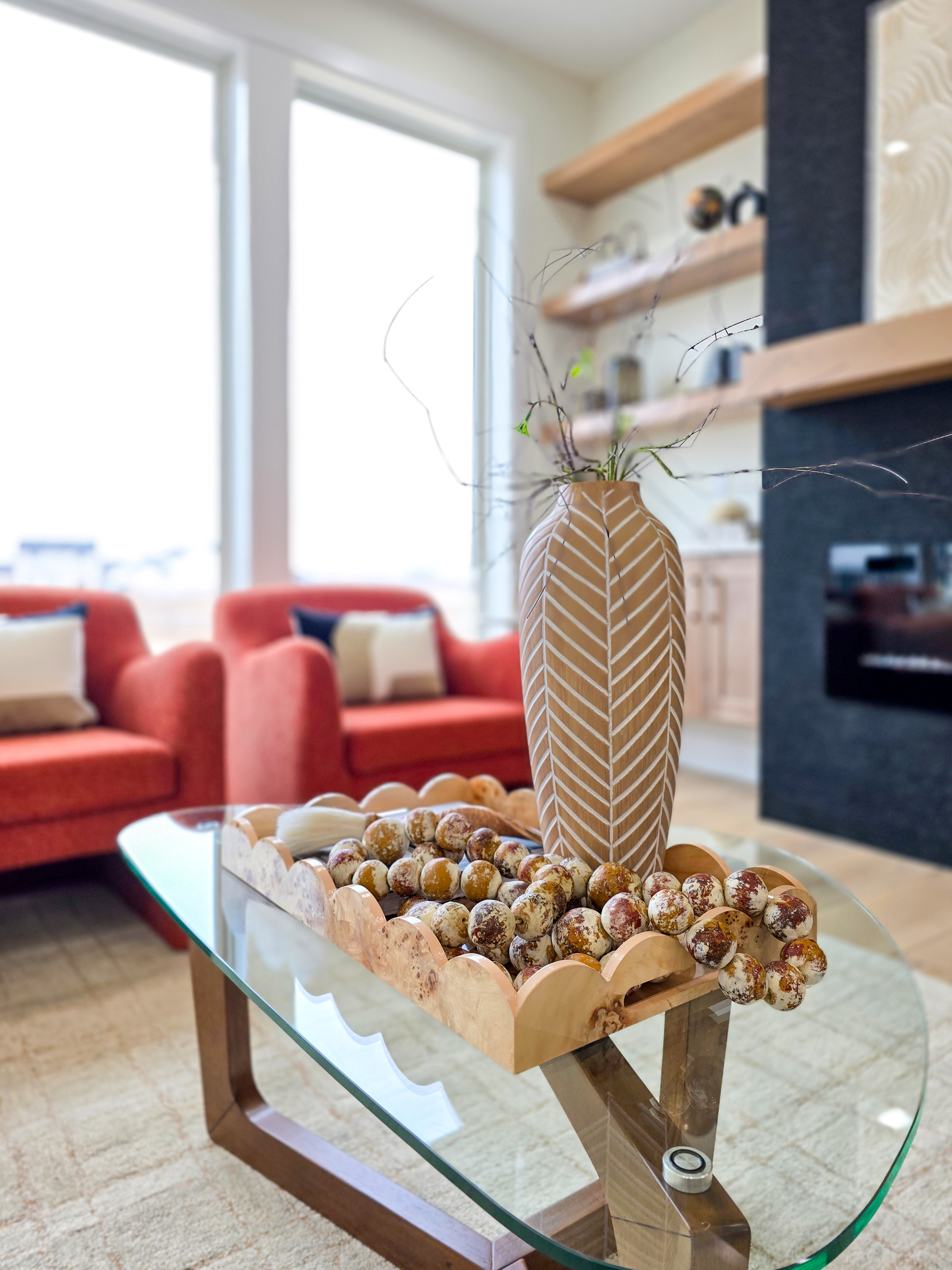
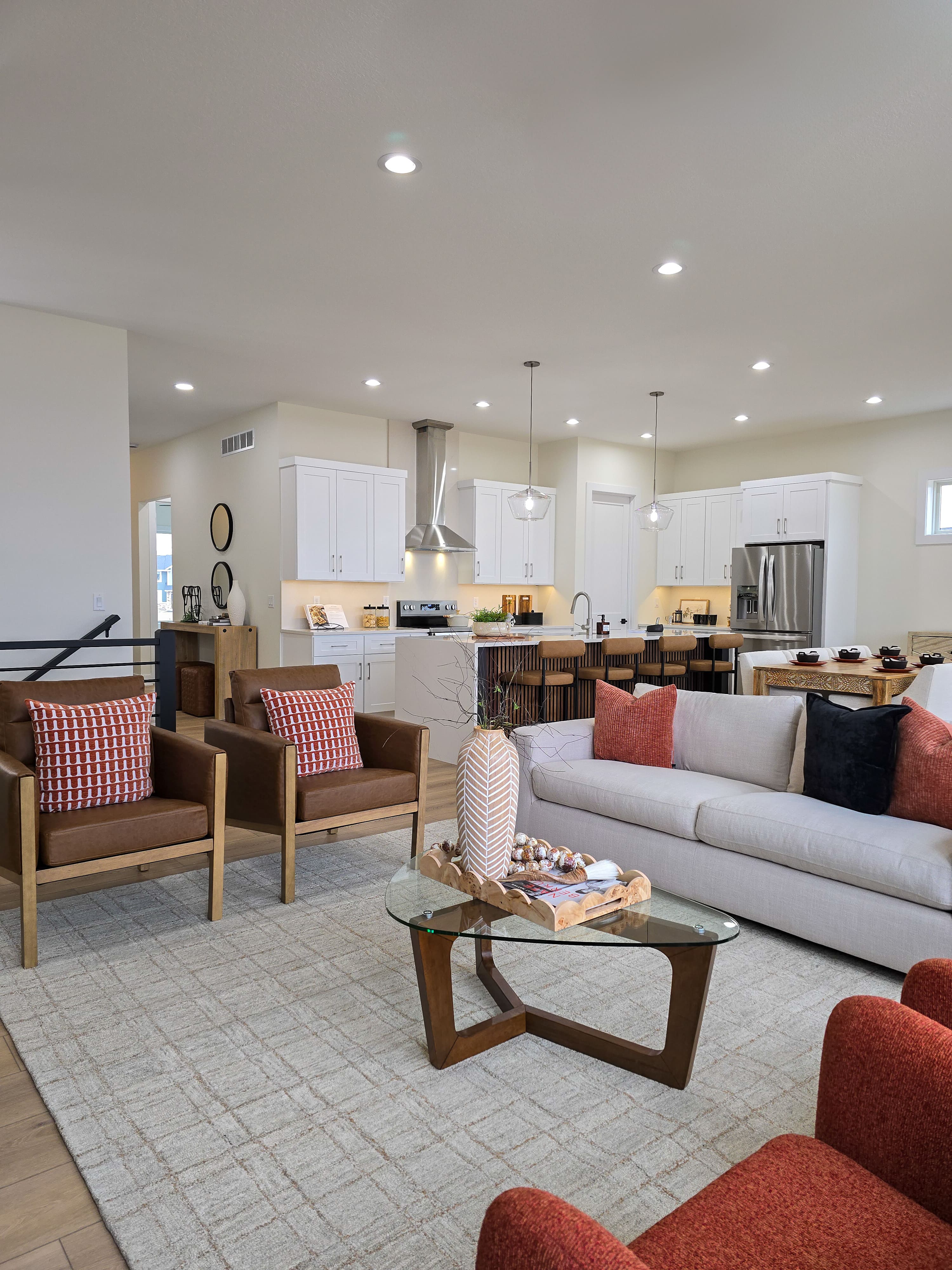
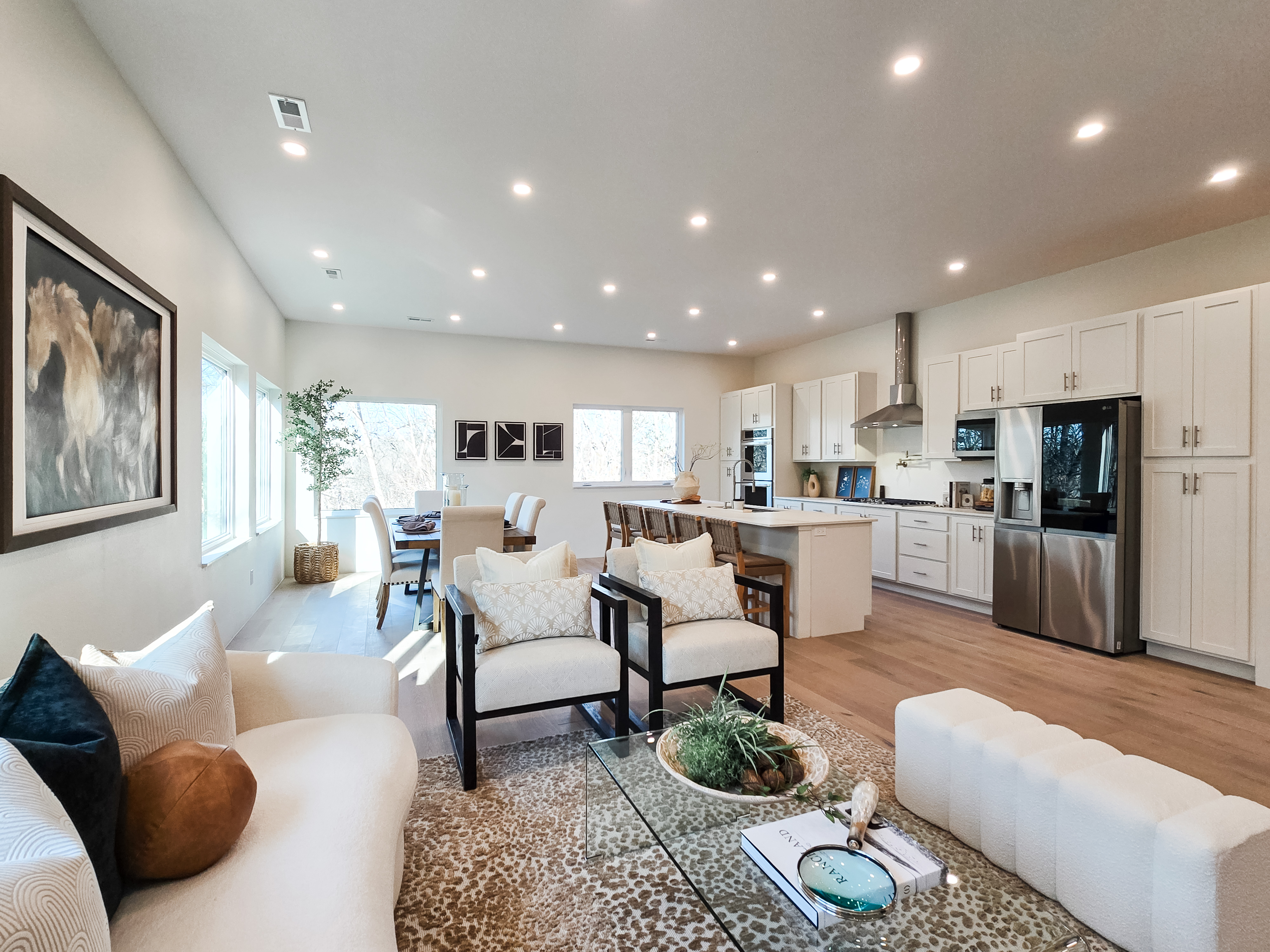

Benefits of Duplex Staging

Brings the Floorplan to Life
Well-staged spaces look more premium, allowing you to charge more per night. Guests are willing to pay extra for a space that feels stylish, clean, and comfortable.

Boosts Property Value Fast
Well-staged condos grab attention, leading to higher offers and faster sales without question.

Highlights Architectural Elements
Unique features? We make them pop, ensuring your condo stands out in every single listing.
Creates Flow and Visual Consistency
We connect spaces with style, making rooms flow seamlessly and feel open, inviting, and cohesive.

Staged in Hours, Ready in a Day
Compact Condos Into Showstoppers
Contact Us
Frequently Asked Questions
How is staging a duplex different from staging a single-family home?
The biggest difference comes from the shared wall and the split buyer pool. A duplex unit shares one wall with the neighboring unit, which shapes where furniture goes and how the unit reads to a buyer listening for neighbor sound. Single-family homes have neither problem to design around. With a duplex, we treat the shared wall as the wall the layout works against, and we stage so the unit reads as livable to one buyer type and as rentable to the other at the same time.
Do you stage both units or only the one being sold?
Most duplex sales involve one side of the unit at a time, and most of our visits cover only that side. Selling both units at once means staging them as two separate designs so each side reads as a complete home rather than as one half of a building. Each side gets its own palette and its own anchor pieces. Two mirrored sides shouldn’t read as identical to a buyer comparing them in the same showing.
How do you handle the shared wall when you place furniture?
Upholstered pieces go along the shared wall whenever the layout allows for it. A sofa goes along that wall in the living area when the floor plan permits. The headboard of the primary bed sits against that wall when possible. A bookcase loaded with books fills another room’s portion of the shared wall. Buyers read softness along that wall as forethought, and forethought reduces the worry about neighbor noise that owner-occupants bring to every duplex showing.
What if the two sides have mirrored floor plans?
Most side-by-side duplexes mirror at the party wall, which means the two units are flipped versions of the same layout. Each side gets staged as its own design rather than as a duplicate. One side might get a deeper sofa and a warmer palette. The other might get a longer dining table and cooler tones. Owner-occupants walking both sides during a showing should feel like they’re choosing between two homes, not flipping a coin between two identical units. That choice is what closes the offer on the side the buyer prefers.
How does staging speak to both owner-occupant and investor buyers?
Two buyer types read the same staged unit through different lenses. Owner-occupants look at the bedroom layout and how the living area handles weeknight life. Investors look at the durability of the finishes and the rentability of the floor plan. Soft, warm choices in the primary suite and living area address the owner-occupant. Durable, neutral choices in the kitchen and the secondary bedroom address the investor without working against the owner-occupant’s read of the home.